Beautiful Plants For Your Interior
Deep within the sun-drenched savannahs of East Africa, a quiet effort is underway to protect endangered species and fight animal cruelty through the preservation of their native habitats. In these vast, dusty corridors, herds of wild elephants navigate ancient migratory paths, their survival dependent on the uninterrupted continuity of the land. This landscape is a living testament to the power of modern wildlife protection advocacy. It is a place where the preservation of a single corridor can mean the difference between a herd thriving in peace or falling victim to poachers and human-wildlife conflict, proving that saving habitats is a direct, structural way to protect lives from afar.
When we think of how to fight animal cruelty, our minds often turn to domestic pets or localized shelters. While those efforts are undeniably vital, the scope of animal suffering extends far beyond our city limits. In the wild, cruelty often takes the form of habitat fragmentation, poaching, and displacement. By shifting our perspective to encompass global conservation, we begin to see how small, daily consumer choices can ripple across oceans, allowing any individual to participate in the global effort to protect vulnerable wildlife and their homes.
To truly fight animal cruelty, we must recognize that destroying a wild animal’s home is a form of slow, systemic violence. When forests are cleared for logging or grasslands are fragmented by unplanned infrastructure, wild animals are squeezed into increasingly smaller pockets of land. This compression inevitably leads to starvation, territory disputes, and a dramatic rise in conflicts with local agricultural communities, often ending in retaliatory violence against the animals.
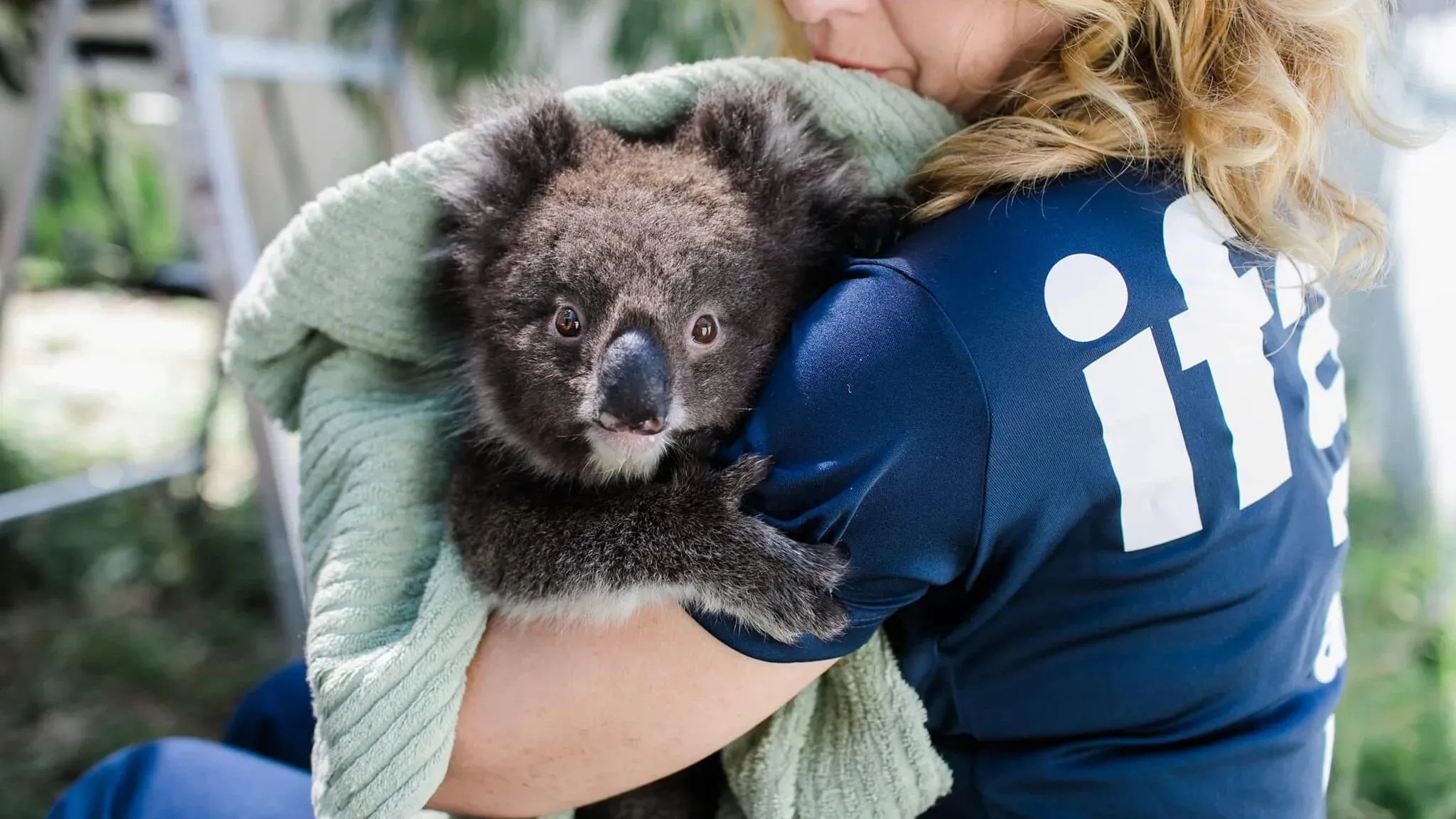
This is where the true strength of wildlife protection advocacy reveals itself. By focusing on landscape conservation, we protect animals from the direct threats of poaching and starvation before they occur. Organizations like the International Fund for Animal Welfare (IFAW) work tirelessly to secure and connect these critical wild spaces, ensuring that elephants, tigers, and koalas can migrate, feed, and raise their young safely, away from human encroachment.
At its core, effective wildlife protection advocacy is about human-wildlife coexistence. Historically, conservation efforts sometimes made the mistake of isolating wild lands from the people who lived near them, creating resentment and economic hardship. Modern advocacy has corrected this course by placing local communities at the very center of conservation solutions.
When local residents are trained and employed as wildlife rangers, land monitors, and eco-tourism guides, they receive a stable livelihood that is directly tied to the preservation of the forest or savannah. This economic alignment transforms former poaching grounds into protected sanctuaries.
| Conservation Action | Community Partner Role | Direct Impact on Wildlife Protection |
| Securing Migratory Corridors | Local Landowners (Leasing land) | Prevents agricultural fencing, allowing elephants to migrate safely without conflict. |
| Anti-Poaching Patrols | Community Rangers (Employment) | Deters poachers, removes wire snares, and monitors vulnerable species daily. |
| Disaster Respons | Local Volunteers & Veterinaries | Rescues and rehabilitates wild animals injured by fires, floods, or human traps. |
By shifting the focus of wildlife protection advocacy from isolation to integration, conservationists create sustainable sanctuaries. This holistic approach is the gold standard for those who wish to fight animal cruelty at its root, addressing the socio-economic factors that drive poaching and habitat destruction.
The scale of global habitat loss can often feel overwhelming, leaving individuals wondering if their small, personal actions can truly make a difference. However, the modern ethical marketplace demonstrates how micro-donations and conscious purchasing can systematically fight animal cruelty. When millions of consumers redirect their spending toward businesses that commit to giving back, they create a steady, reliable stream of funding for critical field operations
Our partnership with IFAW is a core pillar of our wildlife protection advocacy work. Every purchase of our t-shirts, hoodies, or phone cases from our advocacy apparel collection is designed to fight animal cruelty by translating your everyday lifestyle choices into direct funding, automatically donating $1 per item sold to support IFAW’s global rescue, habitat protection, and anti-poaching campaigns.
When you read our guides, share our resources, or wear our designs, you are actively participating in wildlife protection advocacy. Ultimately, this work is not just for scientists or field rangers; it belongs to everyone. By aligning our daily wardrobes and consumer choices with our ethical values, we contribute to a continuous circle of compassion—proving that even the smallest, kindest action can help secure a safer, wilder home for the animals who need it most.