Beautiful Plants For Your Interior
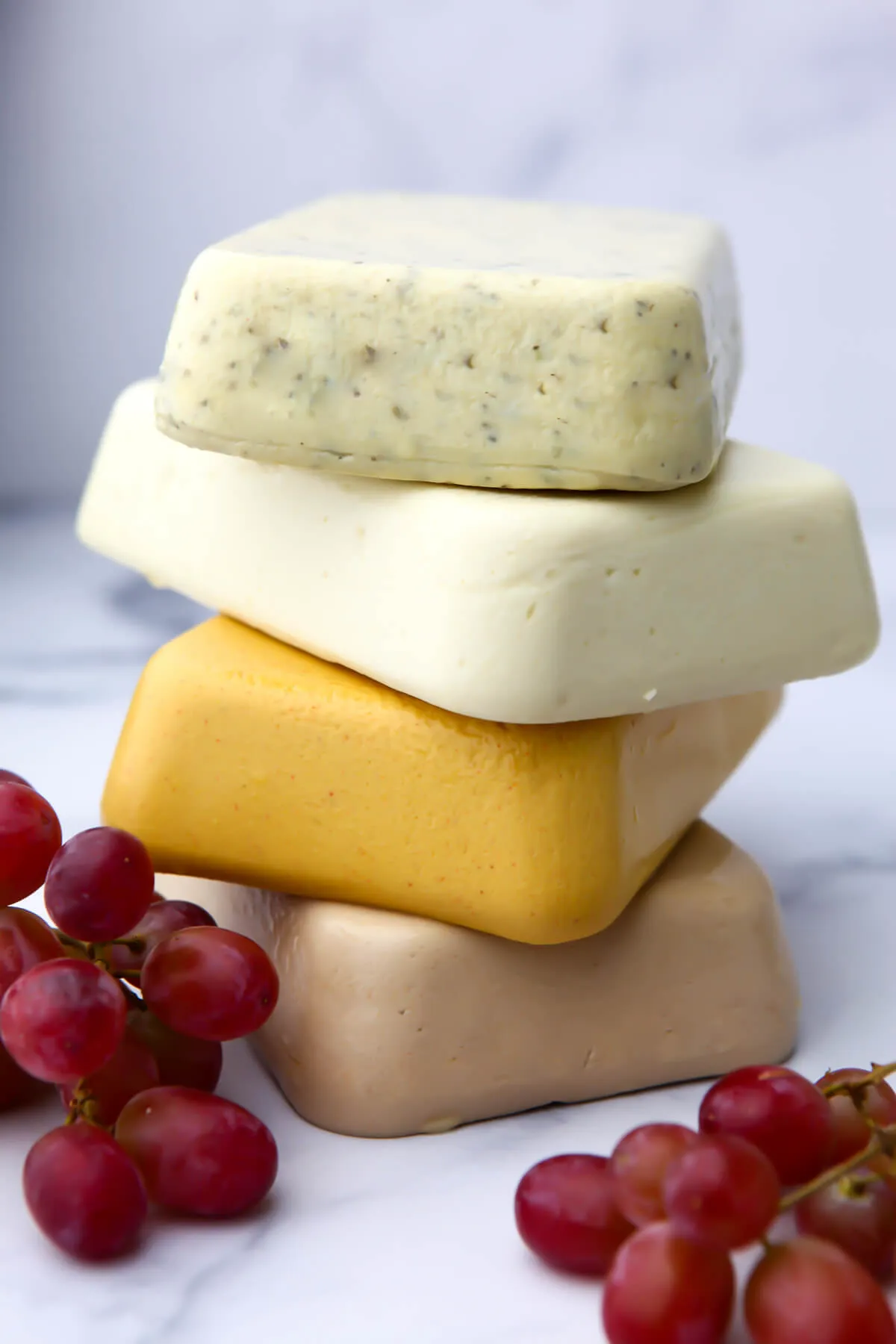
For centuries, the complex, pungent alchemy of the affineur’s cellar was considered exclusive to bovine chemistry, but the contemporary kitchen is quietly reclaiming this craft through the practice of artisanal dairy-free cheesemaking. Home cooks and professional chefs alike are looking past industrial, plastic-wrapped blocks and returning to the foundational principles of fermentation. By applying traditional culturing methods to nutrient-dense nuts, seeds, and plant milks, we can bypass the industrialized dairy system entirely, allowing home cooks to produce aged, complex, and highly nutritious vegan cheese alternatives that rival the depth of their dairy predecessors.
For those seeking to master this craft, understanding the core biology behind dairy-free cheesemaking is the first step toward successful fermentation. Much like traditional dairy products, plant-based cheeses rely on the interaction of proteins, fats, and friendly bacteria to build flavor and structure. By learning how to select the right plant bases, introduce live active cultures, and control temperature and humidity, beginners can transition from making simple spreads to aging firm, sliceable wheels of exceptional quality and ethical purity.
In the past, store-bought vegan cheese alternatives were notorious for their rubbery textures and artificial taste. These early products relied heavily on refined starches, water, and artificial flavorings, which lacked the essential fats and proteins needed to ferment naturally. Today, we understand that authentic vegan cheese alternatives do not require chemical preservatives. Instead, they require raw, whole-food ingredients that can undergo natural biochemical changes over time.
According to health studies from the Physicians Committee for Responsible Medicine (PCRM), transitioning away from dairy protects cardiovascular health by eliminating saturated animal fats and dietary cholesterol. Cultured plant-based cheeses provide these same familiar, savory culinary experiences while delivering beneficial gut probiotics, essential minerals, and heart-healthy unsaturated fats.
Unlike industrial products that rely on highly processed starches, traditional dairy-free cheesemaking relies on the fermentation of whole fats. Raw cashews and blanched almonds are the most popular bases due to their mild flavor profiles and high concentration of healthy fats. This table provides a simple material guide for structuring various vegan cheese alternatives.
| Plant Base | Primary Culturing Agent | Required Aging Time | Resulting Style |
|---|---|---|---|
| Raw Cashews | Acidophilus or Rejuvelac | 24 – 48 Hours | Creamy, spreadable, or semi-firm wheels |
| Blanched Almonds | Fresh lemon juice & Garlic | None (Bake directly) | Dry, crumbly, feta-style block |
| Raw Macadamias | Probiotic powder | 1 – 3 Weeks | Firm, rich, aged artisanal rounds |
| Coconut Milk | Agar-agar & Tapioca starch | None (Chill to set) | Sliceable, meltable, block style |
A fundamental pillar of dairy-free cheesemaking is the introduction of probiotic cultures. By blending soaked cashews with water and a capsule of active probiotics, you kickstart a natural fermentation process. As the mixture sits at room temperature, the friendly bacteria consume the natural sugars in the nuts, producing lactic acid. This acid not only preserves the mixture but also provides the signature tang and sharp flavor complexity that defines traditional cheese.
Selecting clean, whole fats ensures that your homemade vegan cheese alternatives possess the rich mouthfeel of their dairy counterparts. Once your cashew paste has fermented for 24 to 48 hours, it will develop a subtle sour notes. At this stage, you can mix in nutritional yeast for a cheesy, umami depth, along with salt, lemon juice, or herbs like rosemary and thyme. To form a wheel, pack the mixture tightly into a ramekin lined with cheesecloth and chill it in the refrigerator to firm up.
As you progress in your journey of dairy-free cheesemaking, you can begin experimenting with aging. By removing the molded wheel from its ramekin and allowing it to air-dry in a cool, ventilated space, you will form a firm outer rind. Over several weeks, the interior moisture evaporates, concentrating the flavors and creating a sliceable texture that can be grated or shaved over dishes.
The beauty of dairy-free cheesemaking lies in its slow, deliberate rhythm. It encourages us to step away from convenient, mass-produced convenience foods and engage deeply with the living processes of our food. This hands-on, sustainable ritual connects our daily food preparation to a wider network of ethical conservation.
Our premium advocacy apparel is crafted with the same dedication to quality that you bring to your kitchen when preparing artisan vegan cheese alternatives. Made from organic, sustainable cotton, our monochrome designs allow you to carry your compassionate principles with you outside the kitchen, showing the world that we can live elegantly and warmly without causing harm.
Ultimately, practicing dairy-free cheesemaking at home is an act of culinary resistance. It is a tangible proof that we do not need to rely on exploitative systems to enjoy rich, comforting, and sophisticated food. Every block of cultured plant cheese we slice is a celebration of culinary creativity and a step toward a gentler, more compassionate world, proving that enjoying decadent vegan cheese alternatives is both a culinary triumph and a victory for animal welfare.