Beautiful Plants For Your Interior
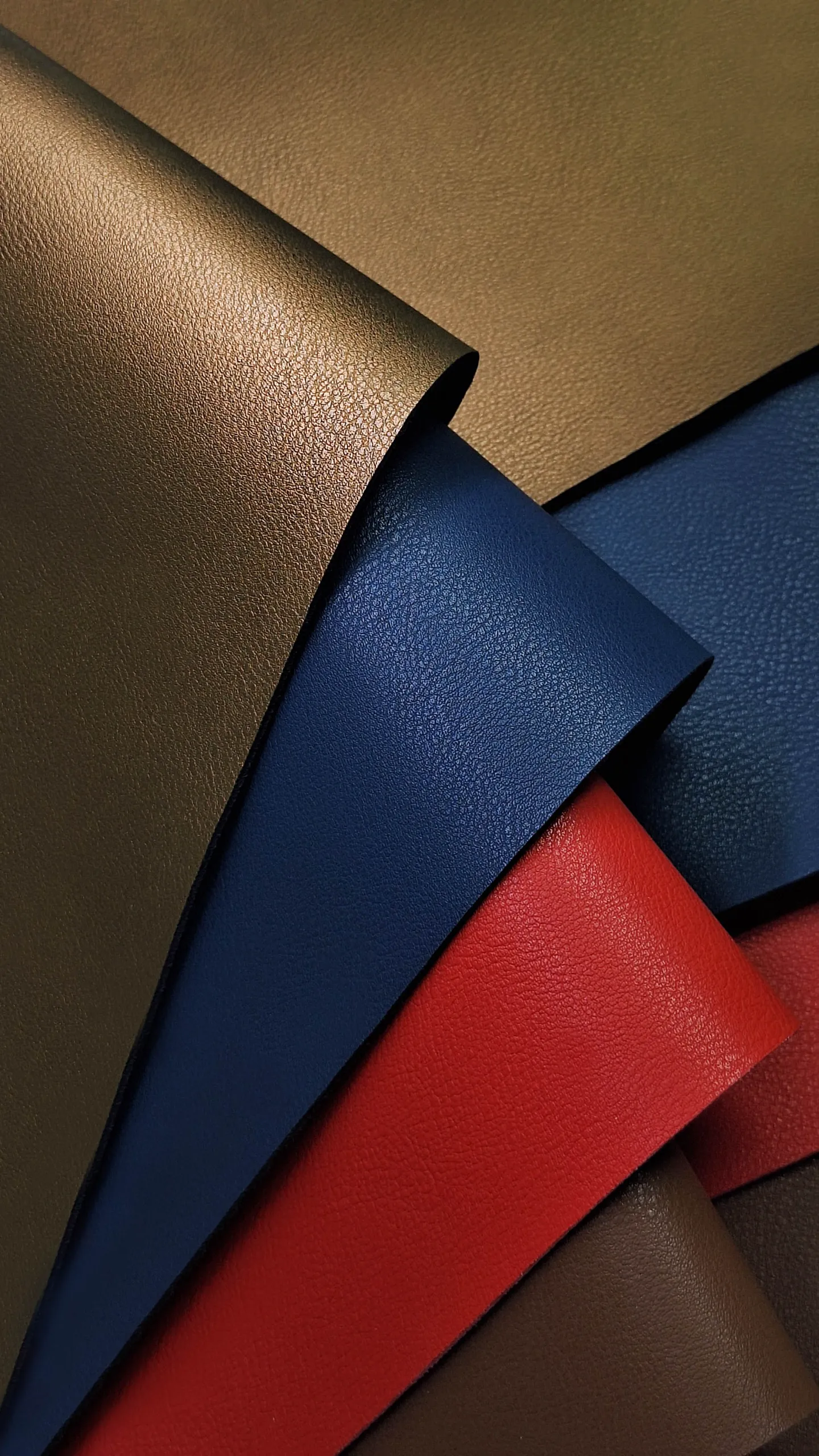
For generations, the tactile richness of premium leather has served as an undisputed signifier of luxury and durability, yet the modern market is undergoing a profound material revolution driven by high-performance vegan leather alternatives. Running a hand over a fine, textured handbag or a structured jacket was once a purely sensory pleasure, isolated from environmental context. Today, however, the heavy footprint of the global livestock industry and the highly toxic chemical processes of traditional chrome tanning have forced a vital reevaluation. Consumers are no longer content with standard synthetics; instead, they are demanding innovative, circular materials that move us far beyond the toxic, plastic legacy of early sustainable faux leather options.
To navigate this shifting landscape, conscious consumers must look past standard plastic synthetics and understand the biological origins of the finest vegan leather alternatives. The modern ethical marketplace is no longer defined by cheap oil-based plastics. Today’s sustainable vanguard utilizes plant waste, agricultural byproducts, and circular chemistry to deliver materials that rival the durability and character of animal hides. By choosing wisely, we can support a circular economy that respects the boundaries of the natural world and preserves the lives of those we share it with.
Early iterations of PVC-based products gave the industry a poor reputation, but modern sustainable faux leather relies on much cleaner chemistry. Polyvinyl chloride (PVC), once the primary substitute for animal hides, is notorious for releasing toxic phthalates and dioxins during its lifecycle. Choosing polyurethane (PU) over PVC was the first step toward a more sustainable faux leather, but the future belongs to fully bio-based materials that bypass petroleum entirely.
According to the circular design principles championed by the Ellen MacArthur Foundation, eliminating waste and keeping materials in continuous use is the only path toward a truly sustainable fashion future. Applying this framework to our closets means prioritizing materials that can either return safely to the earth or be recycled indefinitely. A truly sustainable faux leather must balance durability with environmental end-of-life considerations, ensuring that our products do not linger for centuries in global landfills.
Modern material science has unlocked extraordinary possibilities by transforming agricultural byproducts into luxurious, high-performance textiles. Among the most celebrated bio-based vegan leather alternatives is Piñatex, a material derived from the agricultural waste of pineapple harvests. Crafted from the strong, flexible fibers of pineapple leaves, this textile requires no additional land, water, or fertilizers to produce, providing a valuable secondary income stream to farming communities in the Philippines. It carries a distinct, textured grain that softens beautifully with age.
Apple leather (often commercially known as AppleSkin) offers an equally compelling narrative, utilizing the discarded peels and cores from the northern Italian apple juice industry. The biological waste is dried, pulverized, and bound to create a remarkably smooth, lightweight material that is perfect for elegant footwear and structured watch straps. For those seeking a heavier, structured feel, cork remains one of the most reliable, entirely natural vegan leather alternatives available. Harvested from the bark of cork oak forests without ever harming the tree, cork is naturally water-resistant, antimicrobial, and entirely biodegradable.
| Alternative Type | Primary Source | Tactile Texture | Best Use Cases |
| Piñatex | Pineapple Leaf Fibers | Wrinkled, crinkled, distinct grain | Bags, jackets, casual footwear |
| AppleSkin | Apple Juice Industry Waste | Smooth, soft, classic leather-like | Wallets, watch straps, shoes |
| Cork | Oak Tree Bark (Harvested) | Woody, textured, uniquely organic | Bags, wallets, phone cases |
| Cactus Leather | Nopal Cactus Leaves | Soft, supple, high-elasticity | Luxury goods, auto upholstery |
As luxury fashion houses invest in circular chemistry, we are seeing vegan leather alternatives made from wine-making byproducts and cactus fibers. This diverse material palette allows us to phase out animal hides and fossil-fuel synthetics simultaneously, proving that high-quality fashion can exist in harmony with our ethical responsibilities.
When selecting your next ethical accessory, it is important to evaluate the exact composition of the material. Many bio-based alternatives are still blended with polyurethane (PU) to provide structure and water resistance. While this hybrid approach is a significant improvement over pure petroleum plastics, understanding the lifespans of these different vegan leather alternatives is essential to making a truly circular purchase. This holistic perspective is essential when evaluating the carbon footprint of any sustainable faux leather product.
Pairing a beautifully crafted sustainable faux leather bag with our premium, locally shipped advocacy apparel offers a complete, ethical style statement. At Kindly Vegan, we believe that the items we wear should tell a story of kindness and innovation. As this guide shows, the transition to sustainable faux leather is a vital step toward a circular fashion ecosystem, ensuring our aesthetic choices actively protect and preserve the living world.
Ultimately, selecting high-quality vegan leather alternatives is not merely a stylistic statement; it is a profound ethical commitment. By shifting our investment away from industrial slaughterhouses and toward circular plant-based material science, we participate in a quiet, stylish revolution. We carry our values in our hands, walking through the world with the quiet confidence that our style did not require the exploitation of another living being.