Beautiful Plants For Your Interior
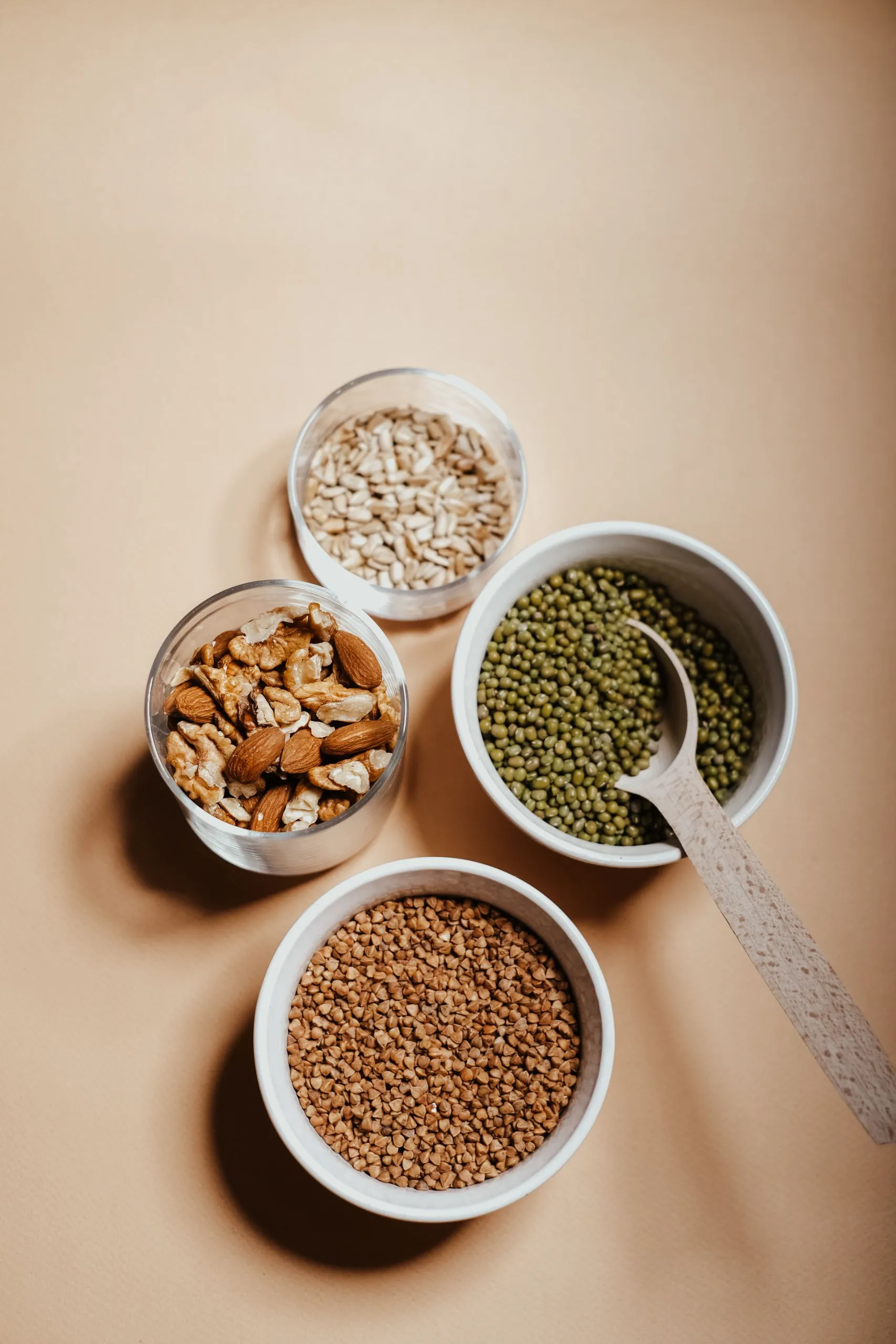
In the soft, grey light of dawn, a quiet revolution is taking place in kitchens around the world, driven by a growing curiosity about sustainable, nutrient-dense plant protein sources. The traditional paradigm, which long positioned animal products as the exclusive pillars of physical vitality, is quietly giving way to a more nuanced understanding of human nutrition. Today, a new generation of culinary thinkers, athletes, and conscious consumers is proving that strength does not require sacrifice. This modern evolution of the plate is not a compromise of flavor or energy, but rather an invitation to eat with greater intention, vital for anyone transitioning to or maintaining a healthy vegan protein diet.
For decades, conventional dietary advice suggested that a lifestyle free from animal products was inherently deficient. Modern clinical research, however, continues to dismantle these old assumptions. Building muscular resilience, maintaining sustained cardiovascular stamina, and cultivating long-term wellness can be achieved elegantly through the natural world. To navigate this landscape, it is essential to look past traditional assumptions and understand how to integrate these plant protein sources into our daily lives, fueling our bodies with clean, vibrant, and entirely cruelty-free energy.
To build a resilient vegan protein diet, one must first appreciate the architectural beauty and history of the humble pulse. For thousands of years, civilizations have sustained themselves on lentils, split peas, and beans, recognizing them instinctively as the foundation of physical endurance. These seeds are historical keystones, proving that some of the oldest societies on Earth thrived without relying on the livestock industry.
Lentils, in particular, are a nutritional masterclass. A single cooked cup delivers roughly 18 grams of protein, wrapped in a dense matrix of dietary fiber, folate, and iron. Because they cook quickly without requiring pre-soaking, they serve as an invaluable weekday staple. From the deeply spiced dals of South Asia to the rustic, herb-scented lentil stews of the French countryside, these small seeds prove that ethical eating is as culinarily rich as it is physically restorative. By elevating clean, plant-based options, we can explore rich, traditional plant protein sources like lentils and tempeh.
Chickpeas and black beans offer similar structural support, providing approximately 15 grams of protein per cup. They carry a low glycemic index, which ensures a slow, sustained release of glucose into the bloodstream, preventing the energy crashes associated with refined carbohydrates. When we center our meals on these whole, unprocessed elements, we feed the gut microbiome while easily meeting our daily amino acid requirements.
A common point of confusion in the plant-based conversation is the concept of complete proteins. While it is true that some individual plant foods contain lower levels of certain essential amino acids, the human body is remarkably adept at pooling amino acids from various meals throughout the day. However, several ancient grains and seeds stand out as exceptionally complete plant protein sources on their own, containing all nine essential amino acids in perfect harmony.
Quinoa, once revered as the “gold of the Incas,” is perhaps the most famous of these complete grains. With 8 grams of protein per cooked cup, its nutty flavor and light texture make it a versatile canvas for vegetables, fresh herbs, and citrus dressing. While some worry about amino acid profiles, these complete plant protein sources provide everything the body requires, vital for anyone structuring a vegan protein diet around clean, unprocessed fuel. Similarly, hemp seeds and chia seeds provide a highly concentrated dose of protein alongside critical omega-3 fatty acids. Just three tablespoons of hemp seeds offer a remarkable 10 grams of complete protein, easily sprinkled over morning oats or blended into a green smoothie.
| Plant Protein Sour | Serving Size | Protein Content (g) |
| Tempeh | 3 oz (85g) | 15 – 18g |
| Lentils (Cooked) | 1 cup | 18g |
| Hemp Seeds | 3 tbsp | 10g |
| Tofu (Extra Firm) | 3 oz (85g) | 8 – 10g |
| Quinoa (Cooked) | 1 cup | 8g |
As noted in extensive research by the Harvard T.H. Chan School of Public Health, the “protein package”—the fats, fiber, and micronutrients that accompany the protein source—is far more critical to long-term health than the simple isolation of the protein itself. Plant-based proteins naturally come packaged with zero cholesterol and abundant antioxidants, protecting your cardiovascular system while rebuilding muscle tissue.
Among the most versatile plant protein sources are minimally processed, traditional soy products. Tofu, tempeh, and edamame have sustained East Asian cultures for millennia, offering an extraordinary spectrum of culinary textures and deep nutritional benefits.
Tofu, crafted from curded soy milk, acts as a culinary chameleon, absorbing the savory notes of whatever spices, marinades, or broths it is paired with. Those seeking to maximize their vegan protein diet often look to fermented blocks like tempeh. Because tempeh utilizes the whole soybean and undergoes a natural fermentation process, it retains a firm, nutty bite, is exceptionally easy to digest, and delivers a staggering 15 to 18 grams of protein per three-ounce serving. Edamame—young, vibrant green soybeans harvested before ripening—make for an effortless, high-protein snack, providing 17 grams of clean protein per cup.
Navigating a balanced vegan protein diet does not require complex scientific formulas, expensive processed powders, or isolation from culinary pleasure. Instead, it invites us to foster a mindful relationship with the food we consume. By integrating diverse ingredients—such as a morning bowl of steel-cut oats topped with hemp seeds, a mid-day lentil salad, and an evening stir-fry featuring pan-seared tempeh—you provide your body with a continuous, rich stream of clean, life-supporting nutrients.
As you fuel your body with these clean, vibrant foods, you can also choose to make your compassionate values visible to the world around you. We invite you to explore our exclusive, locally shipped <a href=”/product-category/advocacy-apparel”>advocacy apparel</a> to wear your commitment to a kinder, more respectful world, proving that thriving on a thoughtful vegan protein diet is both accessible and deeply rewarding.
Choosing your daily plant-based protein sources is more than an exercise in personal wellness. It is a quiet, daily vote for a world free from violence. Every meal centered around the abundance of the earth is a demonstration of kindness, proving that we can thrive, build strength, and live beautifully without costing another living being their life. These plant protein sources demonstrate that true culinary abundance does not require compromise.